Regulations for Online Casinos in Saint Lucia
Saint Lucia has established a well-regulated framework that facilitates the operation of online casinos while maintaining strict oversight to ensure industry integrity and fairness. The jurisdiction’s approach combines comprehensive licensing procedures, technical standards, and consumer protection measures, making it an attractive hub for international operators seeking a reputable licensing environment. Central to this regulatory environment is the guarantee that online gambling activities are conducted transparently and securely, fostering trust among players and operators alike.

At the core of Saint Lucia’s regulatory landscape is the recognition of the importance of compliance with international standards. The government, through designated agencies, ensures that licensed online casinos adhere to strict guidelines pertaining to licensing criteria, operational integrity, and fairness. This proactive regulation not only protects consumers but also enhances the jurisdiction’s reputation on the global stage, attracting reputable operators who seek a secure and compliant environment for their online gaming activities.
Establishment of a Robust Legal Environment
Saint Lucia’s regulatory framework explicitly aims to foster a healthy, competitive, and transparent online gambling sector. The government’s policies emphasize proper licensing, rigorous due diligence, and ongoing compliance checks to sustain the integrity of the industry. This approach provides a reliable foundation for operators to develop their online casinos, knowing that their activities are supported by a clear legal structure designed to prevent illegal practices and promote responsible gambling.

One significant aspect of the regulatory environment is the emphasis on technology standards. Licensed operators are required to employ secure, certified software platforms, implement player identification procedures, and maintain transparent audit trails. These technical standards ensure that games are fair, players’ data remain protected, and financial transactions are secure. Such measures bolster confidence in the industry, making Saint Lucia a favored jurisdiction among both players and operators.
In addition, Saint Lucia’s regulatory system is designed to be adaptable, allowing for updates in licensing policies and technical requirements to keep pace with technological advancements and emerging industry practices. This proactive stance ensures that the jurisdiction remains relevant and competitive in the evolving landscape of online gambling.
As recognition of the importance of global consistency grows, Saint Lucia’s licenses are increasingly viewed as trustworthy credentials. This reputation is critical for operators seeking cross-border markets, as they benefit from the jurisdiction’s harmonized standards and mutual recognition agreements with other regulatory bodies worldwide. Such arrangements facilitate expansion and interoperability across different regions, broadening market access for operators licensed in Saint Lucia.
In summary, the foundation of Saint Lucia’s online casino regulations lies in fostering a secure, fair, and transparent environment that aligns with international best practices. This comprehensive legal and regulatory structure helps ensure sustainable industry growth, protects consumer interests, and reinforces the jurisdiction’s position as an attractive licensing location for online gambling operators.
Regulations for Online Casinos in Saint Lucia
Saint Lucia’s regulatory framework for online gambling emphasizes a transparent and stable environment that promotes fair play, security, and consumer protection. Central to this framework is the licensing process, which ensures that only qualified operators with robust technical and financial standards are permitted to operate within the jurisdiction. The regulatory authorities oversee ongoing compliance, enforce strict technical standards, and facilitate international recognition of licenses, making Saint Lucia an esteemed hub for online casino operators worldwide.
An essential component of Saint Lucia’s approach involves implementing rigorous technical standards for online casino platforms. Licensed operators are required to employ certified, secure gaming software that ensures the randomness and fairness of all games, including slots and table games. These technical protocols also encompass data encryption measures to protect both player information and financial transactions, fostering trust in the industry. Furthermore, licensed operators must integrate player authentication systems and maintain detailed audit logs, enabling effective oversight and dispute resolution.

Another pillar of the regulatory environment pertains to consumer protection. Saint Lucia requires operators to adopt responsible gambling policies, including self-exclusion options, clear terms and conditions, and accessible dispute resolution mechanisms. These measures aim to safeguard players’ rights and promote sustainable gambling practices, reflecting the jurisdiction’s commitment to ethical industry standards.
International recognition is also a significant benefit of Saint Lucia’s licensing regime. Its licenses are often viewed as reliable credentials across multiple markets, thanks to the jurisdiction's adherence to globally recognized standards. Many operators benefit from mutual recognition agreements with other reputable regulators, which streamline cross-border operations and enable the seamless offering of online casino services to diverse player bases. This recognition enhances market access and provides operators with a competitive advantage in the global online gambling landscape.
Because the industry is fast-evolving, the Saint Lucian authorities maintain a forward-looking stance, regularly updating licensing criteria and technical standards. This agility allows the jurisdiction to stay ahead of emerging risks and industry trends while ensuring continued compliance with international best practices. As a result, Saint Lucia remains a highly attractive destination for reputable online casino operators seeking a trustworthy licensing environment.
In addition, the regulatory environment encompasses anti-money laundering (AML) and anti-fraud policies tailored to online gambling operations. Licensees are mandated to establish detailed AML procedures, including customer due diligence and transaction monitoring, to prevent financial crimes. These measures reinforce the integrity of the industry and maintain a level playing field for all operators and players.
To summarize, Saint Lucia’s regulations for online casinos encompass a comprehensive set of standards that cover licensing criteria, technical requirements, consumer safeguards, and cross-border recognition. This legal infrastructure not only supports a secure and fair online gambling environment but also positions the jurisdiction as an influential player in the international online casino market.

Regulations for Online Casinos in Saint Lucia
Saint Lucia’s regulatory environment for online gambling sets a high standard by balancing flexibility for operators with stringent oversight to ensure industry integrity. Among the core requirements is the mandate that online casinos maintain diligent technical standards to guarantee fairness and transparency. Operators are expected to utilize certified gaming software that is regularly audited by independent testing agencies, confirming the randomness and fairness of slot games, roulette, blackjack, and other popular casino offerings. These measures protect players from potential manipulation and foster trust in the platform.
In addition to software certification, Saint Lucia’s regulations emphasize the critical importance of data security protocols. Licensed operators are obligated to embed encryption standards for all sensitive data, including financial transactions and personal identifiers. This commitment to security not only shields players from hacking and fraud but also aligns the jurisdiction with international data protection norms, bolstering its appeal to global operators.

Another pillar of the regulatory framework addresses responsible gambling practices. Licensed online casinos in Saint Lucia must implement comprehensive policies such as self-exclusion tools, reality checks, and spending limits. These features assist in promoting sustainable gambling and minimizing potential harm, which resonates with the broader global emphasis on player welfare.
Furthermore, Saint Lucia’s licensing authority places considerable focus on compliance monitoring. Regular audits are conducted to verify ongoing adherence to established standards. This proactive oversight helps detect any deviations early and ensures that all licensed operators maintain the highest operational standards. It also means operators must submit periodic reports detailing their financial health, game fairness audits, and player dispute resolutions.

International recognition of Saint Lucia’s licenses enhances their value for operators targeting multiple markets. The jurisdiction’s ability to enter mutual recognition agreements with other reputable regulators means licensees benefit from streamlined cross-border compliance processes. This recognition simplifies licensing hurdles in other jurisdictions, facilitating broader market access.
Looking ahead, Saint Lucia remains committed to evolving its regulatory landscape. The government keeps abreast of technological advances and industry trends, preparing to update standards for emerging sectors like live dealer platforms and blockchain-based gaming. This adaptive approach aims to sustain the territory's reputation as a trustworthy licensing hub for reputable online casino operators worldwide.
Overall, the regulations for online casinos in Saint Lucia are designed to foster a secure, fair, and transparent gambling environment. They set clear technical, operational, and consumer protection standards that align with international best practices, ensuring that licensed operators can deliver responsible, trustworthy gaming experiences while maintaining compliance and integrity.

Regulations for Online Casinos in Saint Lucia
Establishing a successful online casino operation within Saint Lucia requires adherence to detailed operational standards mandated by the jurisdiction’s regulatory framework. These standards are designed to ensure that licensed operators uphold transparency, fairness, and security at every level, from game development to customer interaction. Compliance with these technical and operational regulations not only secures the license but also enhances the operator’s credibility in the global market.
One of the foundational technical requirements pertains to the use of certified gaming software. Catalyzed by independent testing agencies, certified software assures that all casino games, including slots and table games, operate with genuine randomness. These certifications confirm fairness, directly impacting player trust and industry reputation. Certified software must undergo regular audits to maintain its status and to verify ongoing compliance with technical standards set by Saint Lucia’s authorities.
Security measures form a core component of operational standards. Licensed online casinos are obliged to implement robust encryption protocols for all data interactions, safeguarding sensitive player data and financial transactions. Advanced SSL encryption, multi-factor authentication, and secure payment gateways are standard practices that prevent breaches and foster a safe gambling environment. Such measures align with international data protection norms, reinforcing Saint Lucia’s position as a globally recognised jurisdiction.

In addition to technological safeguards, responsible gambling procedures are mandatory for all licensed operators. These include features like self-exclusion options, deposit and wager limits, pop-up reminders, and clear access to responsible gambling resources. These tools help detect and prevent problematic gambling behaviors, supporting a sustainable gambling environment and reinforcing the jurisdiction's commitment to protecting players’ well-being.
Player identification and verification processes are also closely regulated. Operators must employ rigorous KYC (Know Your Customer) procedures, requiring players to verify their identities before account registration, deposits, or withdrawals. Implementing reliable verification ensures compliance with anti-fraud policies, minimizes underage gambling, and reduces the risks associated with money laundering. Ongoing monitoring of player activity further aids in maintaining integrity across casino operations.
Regulatory compliance extends to continuous oversight and audit requirements. Licensed casinos are subjected to regular audits by regulatory authorities, who review technical processes, financial reports, and adherence to responsible gambling standards. This proactive oversight helps identify and address issues early, maintaining the high standards expected under Saint Lucia’s licensing regime.

Beyond technical and operational criteria, licensees must also meet fiscal obligations. This includes paying applicable licensing fees and adhering to tax regulations as established by Saint Lucia’s authorities. Transparent financial reporting is essential, with licensees required to submit detailed disclosures periodically, reflecting their income, taxation, and compliance expenditures. These financial obligations support the integrity and sustainability of the industry within the jurisdiction.
Saint Lucia’s regulatory environment is also focused on fair marketing practices. Licensed operators must abide by guidelines that promote honesty and transparency in advertising, avoiding misleading claims or deceptive promotion strategies. Such regulations protect consumers from exploitation and ensure that marketing efforts accurately reflect the nature of the services offered.
Furthermore, strict anti-money laundering (AML) and anti-fraud policies are integral to the operational standards. Operators are mandated to establish comprehensive AML procedures, including customer due diligence, transaction monitoring, and reporting suspicious activities. These policies are critical in maintaining industry integrity and preventing financial crimes, aligning with global standards and enhancing Saint Lucia’s reputation as a trustworthy licensing jurisdiction.
Enforcement mechanisms are firmly embedded within the regulatory structure. Non-compliance with operational standards can lead to sanctions ranging from fines to license suspension or even revocation. Regulatory authorities actively monitor licensee performance, conducting audits and investigations to ensure ongoing compliance. Effective enforcement sustains a fair, competitive, and responsible online gambling environment.
Saint Lucia’s licensing framework also facilitates international recognition, enabling operators to access multiple markets via mutual recognition agreements with other reputable jurisdictions. This international acknowledgment significantly broadens market reach, allowing licensees to legally serve players beyond Saint Lucia’s borders while maintaining high compliance standards.
In terms of market access, licensed online casinos must observe territorial restrictions and adhere to the licensing terms concerning the jurisdictions they serve. These restrictions are essential to guarantee lawful operations and comply with international trade regulations, ensuring that operators do not breach territorial limitations or operate in unauthorized regions.
Looking forward, regulatory bodies in Saint Lucia remain committed to evolving standards in response to technological advancement and market trends. Upcoming initiatives include stricter controls for live dealer games, integration of blockchain-based gaming, and enhancements to player protection systems. Such developments reflect the jurisdiction’s strategic approach to maintaining relevance and safeguarding its industry’s integrity amid rapid technological change.
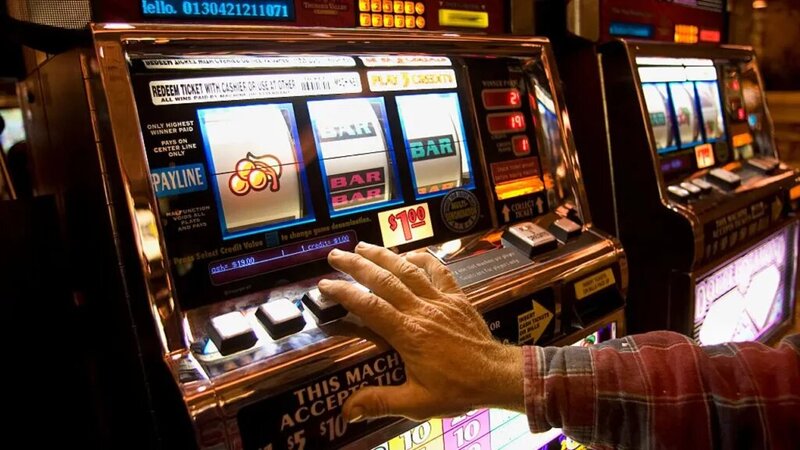
Summarizing these core operational standards, online casino operators licensed in Saint Lucia must prioritize certified gaming software, implement rigorous security measures, uphold responsible gambling protocols, ensure comprehensive player verification, and adhere to continual oversight procedures. Meeting these key standards fosters a reliable ecosystem where players enjoy fair, secure, and responsible gaming experiences, strengthening Saint Lucia’s position as a top licensing jurisdiction for online gambling.
Regulations for Online Casinos in Saint Lucia
As the industry continues to evolve, Saint Lucia maintains a proactive stance by updating its regulatory standards to incorporate emerging technologies and industry best practices. Licensed operators are required to stay compliant with evolving requirements, which include integrating innovations such as live dealer platforms, mobile gaming upgrades, and blockchain integrations. This adaptability ensures that Saint Lucia remains a competitive jurisdiction appealing to operators who seek to leverage advanced tools while remaining within a well-regulated framework.
One notable trend is the increasing emphasis on transparency and player data protection through advanced cryptographic solutions. Regulators are contemplating the implementation of blockchain-based audit trails that would allow real-time validation of game fairness and transaction histories, thereby fostering even greater trust in licensed operations. Such innovations are designed not only to bolster integrity but also to meet heightened international standards for data security and responsible gambling.
Moreover, Saint Lucia’s regulatory authorities are actively engaging in international collaborations to harmonize standards further. Mutual recognition agreements with other prominent gaming jurisdictions facilitate cross-border licensing and operational flexibility. These agreements enable Saint Lucia-licensed online casinos to expand seamlessly into new markets, leveraging the credibility and compliance assurance that comes with licensure from a globally recognized regulatory body.
Furthermore, ongoing discussions focus on strengthening the framework for responsible gambling, especially in the area of player protection in live dealer and multi-platform environments. Implementing AI-driven monitoring tools can help detect problematic behaviors early, enabling operators to intervene proactively. These initiatives are aligned with Saint Lucia’s goals to promote ethical industry practices that prioritize player welfare without compromising operational efficiency.
In addition to technological progress, the government is exploring avenues to enhance transparency through public reporting and industry audits. Transparency initiatives include publishing periodic industry performance reports, which evaluate compliance levels, customer satisfaction, and social impact metrics. These measures aim to reinforce the jurisdiction’s reputation as a safe and trustworthy environment for online gambling operations.
Crucially, Saint Lucia’s commitment to staying ahead of regulatory developments reflects an understanding of the integral role that innovation plays in maintaining industry relevance. By continually refining licensing standards and technical requirements, the jurisdiction ensures that online casinos operate responsibly, fairly, and securely—features that are increasingly valued by international players and industry stakeholders alike.

In summary, the evolving regulatory landscape in Saint Lucia underscores its dedication to fostering a responsible, secure, and innovative online gambling sector. Continuous updates to standards, embracing new technologies, and fostering international cooperation are central to maintaining its position as a trusted licensing jurisdiction. This strategic approach not only enhances the appeal for operators but also guarantees players enjoy a fair and protected gaming environment, reinforcing Saint Lucia’s reputation as a leader in the global online casino industry.
Regulations for Online Casinos in Saint Lucia
Saint Lucia’s regulatory approach to online gambling hinges on thorough technical standards and proactive compliance oversight. To ensure the integrity of every licensed operation, authorities emphasize the use of certified gaming software that undergoes regular independent audits. This verification process confirms that each game, including slots, roulette, and blackjack, operates with genuine randomness and fairness, which is fundamental to maintaining player trust. Additionally, the adoption of certified software helps prevent manipulations and ensures that operators uphold their obligations under regulatory standards.

Data security protocols are also paramount within Saint Lucia's regulatory framework. Licensed operators are required to implement robust encryption measures, such as SSL protocols and multi-factor authentication, to safeguard players’ personal and financial information. These security measures prevent hacking, data breaches, and identity theft, aligning with international data protection practices. Such rigorous standards not only protect consumers but also reinforce Saint Lucia’s reputation as a trustworthy jurisdiction for online gambling companies.
The regulation of responsible gambling practices constitutes another core element. Operators must provide comprehensive tools such as self-exclusion options, deposit limits, and real-time alerts to promote sustainable wagering behaviors. These initiatives aim to prevent gambling-related harm while fostering a safe environment for players. Transparent disclosure of terms and accessible dispute resolution channels further enhance consumer confidence and align with best practices in the industry.

Player identity verification, conducted through meticulous KYC procedures, is a critical component of Saint Lucia’s regulatory standards. Operators must verify the age, identity, and source of funds of all players before enabling deposits or withdrawals. This process helps combat underage gambling, money laundering, and fraud, establishing a fair and compliant gaming environment.
Ongoing regulatory oversight includes regular audits, reporting obligations, and compliance reviews. Licenses are contingent upon meeting and maintaining operational standards, with authorities conducting inspections and review processes to ensure adherence. Non-compliance can result in sanctions such as fines, license suspension, or revocation, thereby incentivizing continuous compliance and integrity.

International recognition of Saint Lucia’s licenses is another significant advantage. The jurisdiction actively participates in mutual recognition agreements, which enable licensed operators to expand into multiple markets under recognized regulatory standards. This facilitates cross-border operations and simplifies compliance for operators aiming for global reach.
Operators must observe territorial restrictions and territorial licensing terms, ensuring they operate within legal boundaries. Such restrictions provide clarity and help prevent unauthorized activities, protecting both the industry and players.
Looking ahead, Saint Lucia’s authorities are committed to evolving regulatory practices to address emerging industry technologies. Advances such as blockchain-based auditing and AI-powered monitoring tools are under consideration or development, aiming to enhance transparency and responsible gaming measures. These future-oriented initiatives will support the ongoing leadership of Saint Lucia as a trusted, innovative jurisdiction for online gambling licensing.
Overall, Saint Lucia’s regulatory standards for online casinos encompass rigorous technical, operational, and consumer protection requirements. By prioritizing fairness, security, and responsible gambling, the jurisdiction fosters a sustainable industry environment where operators and players alike benefit from high standards of integrity and trustworthiness.

Regulations for Online Casinos in Saint Lucia
Saint Lucia's regulatory framework for online casinos is rooted in a commitment to maintaining industry integrity through clear, enforceable standards that safeguard both operators and players. While operators benefit from the jurisdiction’s emphasis on fair play, security, and player protection, the overall environment ensures industry competitiveness in a rapidly evolving global market. One of the key components in this ecosystem is the oversight of technical standards, particularly as they pertain to slots and other casino games.
Online slot games, which constitute a significant portion of the digital gaming landscape, are subject to specific regulatory requirements in Saint Lucia. Licensed operators must employ certified RNG (Random Number Generator) software that has undergone independent auditing to verify fairness. These audits ensure that the outcomes of slot spins are genuinely random, preventing any manipulation and upholding the credibility of licensed online casinos. Certified RNG systems not only enhance player trust but also align with international industry standards, reinforcing Saint Lucia’s reputation for trustworthy licensing.
Security protocols are another cornerstone of the regulatory environment, especially for slots where financial transactions and personal data are involved. Saint Lucia’s authorities mandate the implementation of industry-standard encryption technologies, such as SSL certificates and multi-layer authentication measures. These security practices prevent unauthorized access, data breaches, and potential hacking attempts, which are paramount concerns in an online environment. Operators are also required to adopt secure payment gateways that facilitate safe deposits and withdrawals, which further secures the overall gaming ecosystem.

Responsible gambling practices are integral to the regulatory stance, with specific rules that online casino operators must follow. They are obliged to implement features such as time and wager limits, self-exclusion options, and real-time monitoring tools that assist in early detection of problematic behaviors. These measures help promote responsible play, protect vulnerable players, and foster a sustainable gaming environment. Transparent disclosures about game rules, payout percentages, and player rights further cement the trustworthiness of Saint Lucia-licensed casinos.
Another aspect that the regulators emphasize is the importance of comprehensive player verification. This involves rigorous KYC (Know Your Customer) procedures before account creation, deposits, or withdrawals. By verifying identities and sources of funds, operators help combat money laundering, underage gambling, and fraud. Ongoing transaction monitoring and activity audits are standard procedures that support the integrity of licensed operations. These steps align with Saint Lucia’s broader anti-fraud policies and contribute to a fair playing field for all users.
Regulatory oversight extends beyond initial licensing; continuous monitoring and periodic audits are mandated to ensure compliance with technical and operational standards. Regular reviews cover game fairness, security infrastructure, and responsible gambling policies. Non-compliance may result in sanctions, including fines, license suspension, or revocation, which are enforced vigilantly to uphold the jurisdiction’s reputation. This strict enforcement mechanism maintains high industry standards and reassures both players and global partners about the reliability of Saint Lucia’s licensed online casinos.
In terms of market access, Saint Lucia’s licenses are recognized in multiple jurisdictions, often through mutual recognition agreements. This recognition facilitates cross-border operations and allows licensees to provide services in diverse markets while adhering to Saint Lucia’s rigorous standards. However, operators must be mindful of territorial restrictions and local regulations in their target markets, ensuring they serve only authorized regions and comply with regional licensing requirements.
Looking forward, Saint Lucia’s authorities are actively exploring technological innovations such as blockchain-based audit trails and AI-driven compliance tools. These advancements aim to improve transparency, real-time monitoring, and responsible gambling efforts. It is anticipated that future updates to the regulatory framework will further strengthen the integrity and security of online slots and other casino offerings, keeping Saint Lucia at the forefront of international online gambling regulation.
To summarize, the regulation of slots and broader casino activities in Saint Lucia emphasizes certified fairness, security, player protection, and ongoing compliance. These standards create a trustworthy environment that benefits operators, players, and the overall industry, positioning Saint Lucia as a leading jurisdiction for online casino licensing.

Regulations for Online Casinos in Saint Lucia
Building upon the established regulatory framework, one critical aspect that enhances Saint Lucia's appeal as a licensing jurisdiction is its focus on rigorous compliance and operational oversight. The authorities emphasize the importance of continuous monitoring to ensure licensees uphold high standards in all facets of their operations. This ongoing oversight is enacted through a combination of scheduled audits, random inspections, and detailed reporting requirements, aiming to maintain the integrity and trustworthiness of licensed online casinos.
Operators are obligated to submit comprehensive compliance reports periodically, which include financial disclosures, security audits, game fairness evidence, and responsible gambling disclosures. These submissions enable the regulatory body to verify ongoing adherence to licensing conditions and technical standards. Such rigorous documentation and inspection routines prevent industry stagnation and promote a culture of accountability, which is a cornerstone of Saint Lucia's strategy to attract reputable operators.
Enforcement actions form a vital component of the regulatory scheme. When licensees breach established rules, the regulatory authority can impose sanctions ranging from fines and penalties to license suspension or outright revocation. In cases of serious violations, the authorities may also impose additional corrective measures or suspend operations temporarily until compliance is restored. This strict enforcement mechanism ensures that all licensed online gambling activities operate within the boundaries of legality and fairness, safeguarding players and maintaining industry reputation.
Furthermore, Saint Lucia actively participates in international regulatory cooperation, which enhances the credibility and acceptance of its licenses. Through mutual recognition agreements, Saint Lucia's licenses are regarded as reliable credentials across multiple jurisdictions, facilitating smooth cross-border operations for licensed operators. This recognition simplifies licensing procedures for operators expanding into foreign markets, provided they adhere to local regulations, and underscores Saint Lucia's commitment to global industry standards.
To uphold industry transparency, the government encourages licensed operators to participate in industry reputation initiatives such as public disclosures of compliance status, social responsibility reports, and anti-fraud measures. These initiatives foster a transparent environment, reassuring players and stakeholders of a commitment to high operational standards and responsible industry practices.
Looking ahead, the regulatory landscape in Saint Lucia is expected to evolve with technological advancements, especially in areas like blockchain auditing, AI-driven compliance monitoring, and enhanced player protection tools. The authorities are actively exploring these areas to further elevate the industry’s transparency and responsible gaming efforts. Regular updates to standards and guidelines will help keep Saint Lucia at the forefront of online gambling regulation, ensuring that the licensing environment remains robust and credible amid rapid industry innovation.
In summary, the oversight framework for licensed online casinos in Saint Lucia is comprehensive, emphasizing continuous compliance, strict enforcement, international recognition, and technological adaptation. These measures collectively promote a trustworthy and sustainable online gambling sector, reinforcing Saint Lucia’s status as a premier licensing jurisdiction for operators seeking to deliver secure, fair, and responsible gaming experiences.
Regulations for Online Casinos in Saint Lucia
Saint Lucia's regulatory framework for online gambling is characterized by its thorough oversight and adaptability to industry evolution. One of the ongoing priorities for regulators is the implementation and enforcement of advanced security measures that protect both operators and players. As technology advances, so do the potential security threats. To address this, Saint Lucia mandates the use of certified, independently audited gaming software that guarantees game fairness, particularly critical for slot games and table games. These certifications authenticate that outcomes are random and unmanipulated, thereby fostering transparency and confidence among players.
In addition to software certification, regulator-mandated encryption protocols, such as Secure Sockets Layer (SSL) encryption, are fundamental. These protocols protect sensitive data during transmission, including personal information and financial transactions. Operators are also required to implement multi-factor authentication processes for account access, ensuring that only legitimate players can engage in gambling activities. This comprehensive approach to digital security aligns regional standards with international best practices, underlining Saint Lucia’s commitment to creating a safe online environment.

Equally significant are the responsible gambling measures that licensed operators must incorporate. Keeping player welfare at the forefront, regulations stipulate the integration of tools such as self-exclusion options, deposit limits, and real-time monitoring systems that flag patterns indicative of problematic gaming behaviors. These features serve as preventative measures to reduce gambling-related harms and promote a culture of responsible gaming.
Player verification processes are rigorously enforced through comprehensive Know Your Customer (KYC) procedures. Operators are obliged to verify the identity, age, and source of funds for all players before enabling deposits or withdrawals. This verification process is vital in combating underage gambling, money laundering, and fraud, reinforcing industry integrity. Continuous monitoring of transactional activity further supports compliance, with suspicious activities promptly flagged and investigated.

Regulatory compliance extends beyond initial licensing and includes ongoing oversight via regular audits, reporting duties, and compliance checks. These measures ensure that operators consistently meet high technical and operational standards. Non-compliance can result in penalties such as fines, suspension, or license revocation, which serve to uphold the industry’s integrity and the jurisdiction’s reputation.
Furthermore, Saint Lucia actively maintains and nurtures international relations through mutual recognition agreements with other reputable jurisdictions. These agreements facilitate cross-border licensing, allowing operations to expand into multiple markets under recognized standards while maintaining compliance. Such recognition not only streamlines licensing procedures but also enhances market access for Saint Lucia-licensed operators.

Looking ahead, regulators in Saint Lucia are exploring technological advancements such as blockchain-based transparency systems and AI-powered compliance monitoring tools. These innovations aim to increase auditability, real-time oversight, and responsible gambling measures, positioning Saint Lucia as a forward-thinking jurisdiction. Continuous updates to standards are anticipated to adapt to emerging trends like live dealer expansion and blockchain integration, ensuring the regulatory environment remains relevant and robust.
In summary, Saint Lucia’s operational standards for online casinos emphasize a layered approach to security, fairness, and responsible gaming. Technical compliance like certified software, reinforced with advanced encryption and player verification, forms the foundation of trustworthy online gambling. Coupled with ongoing regulatory oversight and international cooperation, these standards collectively fortify Saint Lucia’s status as a premier jurisdiction for safe, fair, and innovative online casino services.
Regulations for Online Casinos in Saint Lucia
Saint Lucia’s regulatory environment for online gambling has gained recognition for its focus on fostering a secure, transparent, and trustworthy industry. Central to this structure is a comprehensive licensing framework that emphasizes stringent technical standards, responsible gaming practices, and ongoing compliance monitoring. This ensures that online casino operators providing slots, table games, and other offerings adhere to high standards of fairness and security, creating a safe experience for players worldwide.
One key aspect is the rigorous certification process for gaming software used in licensed operations. All slot games and other casino offerings must utilize certified RNG (Random Number Generator) systems that have undergone independent testing. These certifications verify the fairness and randomness of game outcomes, providing players with confidence that results are not manipulated. Such standards align with international best practices and serve as a mark of credibility for Saint Lucia-licensed operators.

In addition, data security forms a core pillar in Saint Lucia’s regulatory blueprint. Operators are mandated to implement high-grade encryption protocols, such as SSL certificates, multi-factor authentication, and secure payment gateways. These protocols protect sensitive player information and financial transactions from hacking or data breaches. Ensuring data integrity and privacy not only complies with international data protection norms, but it also enhances player confidence, making Saint Lucia an attractive jurisdiction for operators aiming for global markets.
Responsible gambling measures are mandatory throughout Saint Lucia’s licensing policy. Operators must integrate tools like self-exclusion options, deposit and wager limits, and real-time player behavior monitoring systems. These features serve to promote sustainable gambling and safeguard vulnerable players from harm. Transparency is reinforced by clear game rules, disclosure of payout percentages, and accessible dispute resolution channels, all of which build trust and accountability with players.
Player verification, through comprehensive KYC procedures, is another critical regulatory requirement. Operators verify identities, ages, and source of funds prior to account activation, deposits, or withdrawals. These measures deter underage gambling, money laundering, and fraud, while promoting industry integrity. Continuous transaction monitoring and activity audits further support ongoing compliance, enabling swift detection of suspicious behavior.
Regulatory oversight is executed through continuous audits, periodic inspections, and enforcement actions. Licensed operators must submit detailed reports covering financial health, game fairness, security measures, and responsible gaming implementation. Non-compliance with standards can lead to sanctions, including fines, license suspension, or revocation. These enforcement mechanisms ensure high industry standards are maintained, reinforcing Saint Lucia’s reputation as a reliable licensing jurisdiction.
Moreover, Saint Lucia actively seeks international recognition for its licenses. Mutual recognition agreements with other reputable jurisdictions facilitate cross-border licensing and operation, opening global markets for Saint Lucia-licensed online casinos. This recognized credibility streamlines compliance procedures for operators expanding into multiple regions, broadening their reach and reinforcing global confidence in Saint Lucia’s regulatory standards.
As the industry evolves, Saint Lucia’s authorities continually refine their regulatory framework. Anticipated future updates include advancements in blockchain-based audit trails, AI-driven compliance tools, and enhanced responsible gambling protocols. These innovations aim to bolster transparency, real-time oversight, and operational integrity, ensuring that Saint Lucia remains competitive and aligned with international industry developments.
In conclusion, the key operational standards—spanning rigorous technical requirements, responsible gambling policies, continuous oversight, and international cooperation—form an integrated foundation. These regulations protect players, uphold industry integrity, and make Saint Lucia an attractive hub for online casino licensing, especially for operations offering slots and other digital gambling services.

Regulations for Online Casinos in Saint Lucia
Saint Lucia's regulatory environment for online gambling is characterized by its deliberate focus on maintaining high industry standards through comprehensive licensing, strict technical requirements, and ongoing oversight. The jurisdiction's approach ensures that licensed operators uphold fairness, security, and responsible gaming commitments, creating a trustworthy platform for players globally. This reputation is reinforced by detailed eligibility criteria, technical standards, and robust enforcement mechanisms that collectively foster a resilient online casino sector.
One of the distinctive features of Saint Lucia’s regulatory framework is its flexibility in adapting to technological advancements. Authorities are proactively exploring innovations such as blockchain-based audit trails, AI-powered monitoring tools, and enhanced data protection protocols. This forward-looking strategy ensures the regulatory standards remain relevant, helping licensees navigate emerging industry trends while safeguarding player interests and maintaining overall market integrity.
Certification and Technical Standards
At the core of Saint Lucia’s operational standards is the requirement for certified gaming software. All slots and casino games must be powered by RNG (Random Number Generator) systems that have received independent certification, confirming their fairness and impartiality. Regular audits by recognized testing agencies verify ongoing compliance, which enhances transparency and builds player confidence. These measures ensure that outcomes are genuinely random and free from manipulation, aligning Saint Lucia’s standards with international best practices.
Data security is equally critical. Licensed operators are mandated to implement high-grade encryption technologies, such as SSL certificates and multi-factor authentication, to protect sensitive information and financial transactions. This adherence to strong cybersecurity practices helps prevent hacking, data breaches, and fraud, positioning Saint Lucia as a jurisdiction that prioritizes player safety and data privacy. The combination of technological safeguards and compliance with international data standards strengthens the industry’s credibility.

Responsible Gambling and Player Verification
The regulatory policies actively promote responsible gambling by requiring operators to incorporate tools such as self-exclusion, wagering limits, and real-time behavioral monitoring. These elements assist in identifying problematic play patterns early, enabling operators to intervene and support sustainable gambling habits. Clear disclosure of game rules, payout ratios, and accessible dispute resolution mechanisms further enhance industry integrity and transparency.
Player verification processes are meticulously enforced through KYC (Know Your Customer) procedures. Operators must verify the identity, age, and source of funds before allowing deposits or withdrawals. Such rigorous verification deters underage gambling, reduces the risk of money laundering, and prevents fraud. Ongoing transaction monitoring complements initial KYC checks, maintaining high levels of industry integrity and compliance with anti-fraud policies.
Ongoing Oversight and Enforcement
Saint Lucia’s regulatory authorities conduct regular audits, random inspections, and compliance checks to ensure licensees uphold operational standards. Non-compliance can lead to sanctions including fines, license suspension, or revocation. These enforcement actions serve to maintain a high level of industry discipline, protecting both the reputation of the jurisdiction and player interests. The authorities also participate in international cooperation, entering mutual recognition agreements that facilitate cross-border licensing and legitimacy, fostering a global standard of compliance.

Market Access and International Recognition
Licenses issued by Saint Lucia are widely recognized in global markets, thanks to mutual recognition agreements with other reputable regulatory bodies. This recognition permits licensees to expand their offerings into multiple jurisdictions without redundant licensing procedures, provided they adhere to local regulations and restrictions. Such agreements streamline cross-border operations, enhance market access, and reinforce Saint Lucia’s standing as a credible licensing hub for online casino operators.
Future Trends in Regulation
Looking ahead, Saint Lucia’s regulators remain committed to evolving standards through integration of advanced technological solutions. The potential adoption of blockchain-powered audit trails, AI monitoring tools for responsible gaming, and enhanced data privacy measures are under active consideration. These innovations are aimed at increasing transparency, real-time oversight, and safeguarding player welfare. Continuous updates to licensing criteria and technical standards will ensure the jurisdiction maintains its leadership position amid rapidly advancing industry practices.

In summary, Saint Lucia’s regulatory framework for online casinos emphasizes stringent technical standards, responsible gambling policies, continuous oversight, and international cooperation. Meeting these criteria ensures that licensees operate within a secure, fair, and transparent environment, fostering trust among players and industry stakeholders. The ongoing commitment to innovation and compliance solidifies Saint Lucia’s reputation as a preferred jurisdiction for licensees seeking a reliable and forward-thinking regulatory partner.
Regulations for Online Casinos in Saint Lucia
Ensuring a secure and fair online gambling environment, Saint Lucia’s regulatory authorities place significant emphasis on enforcement actions and sanctions to maintain high industry standards. When operators fail to comply with established regulations—whether due to technical shortcomings, breaches of consumer protection protocols, or other violations—the authorities have a suite of measures aimed at enforcing compliance and safeguarding player interests.
- Fines and Penalties: Financial sanctions are the first line of enforcement and are typically applied for minor infractions such as delayed reporting or minor procedural non-compliance. These fines serve as a deterrent and encourage operators to adhere strictly to licensing conditions. They are calibrated based on the severity of the violation and aim to reinforce industry discipline.
- License Suspension: For more serious breaches—such as failure to implement responsible gambling practices, security lapses, or repeated non-compliance—the regulatory body can impose temporary suspension of the license. During this period, the operator may be required to address specific deficiencies and demonstrate corrective measures before full reinstatement. This step effectively halts all operational activities, minimizing industry risk while ensuring issues are rectified.
- License Revocation: In cases of persistent violations, illegal activities, or significant breaches of the regulatory framework, authorities possess the authority to revoke licenses entirely. Revocation is typically the last resort, used when compliance cannot be restored or when violations threaten industry integrity or player safety. Once revoked, the operator must cease all licensed activities and may face legal actions if applicable.
- Enforcement Investigations: Beyond immediate penalties, regulatory bodies may conduct investigations into allegations of illegal activity, fraud, or money laundering. The outcome can result in criminal sanctions or further civil penalties, especially if licensed operators are found to be complicit or negligent in maintaining industry standards.
- Preventive Measures and Industry Warnings: The authorities also issue warnings or advisories to inform the industry of emerging risks or to clarify regulatory expectations. This proactive approach aims to prevent infractions before they occur and foster a culture of compliance among operators.
These enforcement mechanisms are underpinned by a robust legal framework that provides Saint Lucia’s regulators with the authority and flexibility needed to respond swiftly and effectively to breaches. The jurisdiction’s emphasis on rigorous oversight ensures that online casinos offering slots, table games, and other gambling options maintain integrity, protect consumers, and uphold the reputation of the licensing regime.
Looking ahead, Saint Lucia’s regulatory authorities are exploring more sophisticated enforcement technologies such as artificial intelligence and blockchain for real-time compliance monitoring and audit verification. These advancements aim to enhance transparency, reduce enforcement latency, and facilitate more precise targeting of violations. Such innovations will bolster Saint Lucia’s position as a jurisdiction committed to adapting regulation to industry evolution, embedding accountability, and maintaining high standards of integrity.
In summary, Saint Lucia’s enforcement actions and sanctions exemplify a firm yet fair regulatory environment designed to uphold industry standards, protect players, and sustain the jurisdiction’s reputation as a leading offshore licensing destination for online casinos. The combination of fiscal penalties, license management measures, investigative powers, and technological innovation ensures that operators are held to the highest standards of compliance, fostering a trustworthy global gambling industry.
Regulations for Online Casinos in Saint Lucia
Saint Lucia’s regulatory framework for online gambling emphasizes a comprehensive approach that balances industry growth with stringent oversight. The jurisdiction’s standards directly influence how operators manage their platforms, particularly slots, casino games, and related igaming offerings. A core element of this framework is the rigorous adherence to licensing conditions that ensure fair play, data security, and responsible gambling, which collectively foster a trustworthy environment for players worldwide. These regulations are periodically updated to accommodate technological progress, including innovations like blockchain transparency tools and AI-powered compliance systems, positioning Saint Lucia as a forward-thinking licensing authority.
One salient aspect of these regulations is the technical standard requirement. Licensed operators must utilize certified RNG (Random Number Generator) systems that are independently tested and regularly audited by recognized testing agencies. This process guarantees game fairness and results in genuinely random outcomes, thereby strengthening player confidence and aligning with international standards. In the context of slots and other casino games, this certification process reassures players that outcomes are free from manipulation, which is fundamental to maintaining the legitimacy of licensed operations.
Security protocols are another critical component of Saint Lucia’s regulatory landscape. Operators are mandated to implement advanced encryption standards—such as SSL protocols and multi-factor authentication—to safeguard sensitive data and financial transactions. These layers of security prevent hacking, data breaches, and fraud. Such measures not only safeguard players’ personal information but also place Saint Lucia among jurisdictions prioritizing data integrity. These safeguards are complemented by secure payment gateways, ensuring safe deposits and withdrawals, which are vital for a seamless igaming experience.
Player verification processes, especially KYC (Know Your Customer), are stringently enforced. Operators must verily confirm the identity, age, and source of funds of all players before enabling account activity. This verification deters underage gambling and money laundering, aligning with the jurisdiction’s anti-fraud policies. Ongoing transactional monitoring and behavior analysis processes further reinforce industry integrity, enabling early detection of suspicious activities and ensuring compliance with anti-fraud and AML (Anti-Money Laundering) policies.
Responsible gambling standards are embedded within the operational requirements. Licensed casinos are compelled to offer tools such as self-exclusion options, wagering limits, and real-time monitoring systems that flag problematic behaviors. Transparency initiatives—clear disclosure of game payout percentages, detailed terms and conditions, and accessible dispute resolution methods—further bolster consumer protections. These policies demonstrate Saint Lucia’s commitment to creating a sustainable and socially responsible gambling environment.
Ongoing oversight and enforcement are vital to maintaining high standards. Regulatory authorities conduct routine audits, surprise inspections, and compliance reviews. Non-compliance can lead to sanctions ranging from fines and operational restrictions to license suspension or revocation, depending on the severity of breaches. This strict enforcement ensures that operators adhere continuously to the established standards, safeguarding industry integrity and player trust. Additionally, Saint Lucia actively pursues mutual recognition agreements with other jurisdictions, which facilitate operators’ expansion into multiple markets and enhance license credibility on a global scale.
Looking forward, the regulatory landscape is poised to incorporate emerging technologies such as blockchain audit trails and AI-driven monitoring tools. These innovations aim to provide real-time verification of game fairness, improve transparency, and bolster responsible gambling initiatives. Such developments will serve to reinforce the jurisdiction’s reputation as a responsible, secure, and innovative online gambling hub.
In sum, Saint Lucia’s licensing and operational standards meticulously cover technical certification, security measures, responsible gambling, continuous oversight, and international cooperation. These comprehensive regulations foster an environment where licensed online casinos can thrive while maintaining integrity, fairness, and accountability. These standards not only protect players but also attract reputable operators seeking a licensed jurisdiction aligned with global best practices, reinforcing Saint Lucia’s status as a leading destination for online casino licensing in the competitive global igaming industry.
Regulations for Online Casinos in Saint Lucia
International Licensing Considerations and Market Access
Saint Lucia’s licensing regime has established a reputation for its global recognition and mutual recognition agreements with several respected jurisdictions. These agreements facilitate streamlined cross-border licensing processes for operators, allowing them to expand their services into multiple markets with a single license issued by Saint Lucia. Such recognition is instrumental for online casinos that seek to reach a broad international player base, as it reduces duplicative licensing hurdles and simplifies compliance obligations across different regulatory environments.
Operators licensed in Saint Lucia benefit from a credibility boost that often translates into increased trust from international players and business partners. This recognition hinges on Saint Lucia’s adherence to strict technical, security, and responsible gaming standards, which are aligned with or exceed international benchmarks. For example, mutual recognition agreements with other reputable regulators enable licensees to operate legally in jurisdictions that also uphold high standards, facilitating expansion into regulated markets such as Europe, North America, and parts of Asia.
However, in addition to global recognition, operators must also respect territorial restrictions governed by local laws in target markets. Some jurisdictions maintain strict bans or restrictions on online gambling activities, and licensees must ensure compliance with these rules to avoid legal conflicts. Saint Lucia’s regulations do not override local laws in other countries but provide a secure licensing foundation that supports lawful operations globally. This underscores the importance for operators to conduct due diligence and adapt their business strategies according to specific regional legal and regulatory frameworks.
Impact on Cross-Border Operations and Compliance
The recognition of Saint Lucia's licenses enhances operators' ability to deploy cross-border services effectively. Gaming platforms can seamlessly offer their services in multiple jurisdictions by leveraging the credibility and mutual recognition agreements associated with Saint Lucia licenses. This arrangement allows for smoother market entry, decreased licensing costs, and a unified compliance approach, provided that operators remain vigilant about local laws and restrictions.
Moreover, Saint Lucia’s proactive stance on global cooperation includes participating in mechanisms that improve transparency and combat illegal gambling activities. This cooperation further elevates the status of its licenses, making Saint Lucia a preferred jurisdiction for reputable operators seeking international expansion. The jurisdiction’s dedication to maintaining high standards in licensing, auditing, and compliance acts as a safeguard against potential legal or regulatory challenges in foreign markets, ensuring sustained compliance and operational stability.
Strategic Advantages for Operators
Operators holding Saint Lucia licenses enjoy the advantage of entering multiple markets with a recognized credential that signals reliability, security, and industry best practices. This advantage can be particularly significant when approaching new markets where regulatory reputation influences player confidence and acceptance. The ability to leverage Saint Lucia's reputation for compliance and trustworthiness opens doors to partnerships, alliances, and licensing in other jurisdictions.
Furthermore, Saint Lucia’s evolving recognition framework continues to adapt to global industry developments, integrating innovations such as blockchain verification and AI-based compliance tools. These technological advancements, coupled with the jurisdiction’s dedication to international standards, position Saint Lucia’s licensing as a strategic asset for operators aiming for global growth and sustainable operations.

In conclusion, the international licensing considerations associated with Saint Lucia’s online gambling regime significantly enhance operators’ prospects for cross-border success. By maintaining stringent standards, fostering mutual recognition agreements, and supporting technological innovation, Saint Lucia provides a competitive edge in the increasingly interconnected global igaming industry. Operators benefitting from these standards can navigate complex regulatory landscapes more efficiently, opening up vast opportunities for growth while upholding integrity, security, and player trust.
Regulations for Online Casinos in Saint Lucia
Saint Lucia has firmly established itself as a reputable jurisdiction for online casino licensing by implementing a comprehensive regulatory environment that emphasizes fairness, security, and responsible gaming. The licensing process requires operators to meet stringent technical standards, including the use of certified RNG software that is regularly audited by independent agencies to ensure game fairness—particularly vital for slots and table games. This certification guarantees that game outcomes are genuinely random, protecting player trust and industry integrity.
Security measures are equally critical. Licensed operators must deploy advanced encryption protocols such as SSL certificates and multi-factor authentication to secure player data and financial transactions against breaches and cyber threats. This commitment to cybersecurity aligns Saint Lucia with international data protection standards and enhances its reputation as a trustworthy licensing jurisdiction.
Responsible gambling policies are embedded into operational standards within Saint Lucia’s regulatory framework. Operators are mandated to provide tools such as self-exclusion options, deposit limits, and real-time behavioral monitoring systems. These features serve to promote player welfare and mitigate gambling-related harms, demonstrating the jurisdiction’s dedication to social responsibility.
Player verification is enforced through comprehensive KYC (Know Your Customer) procedures. Operators are required to verify the identity, age, and source of funds of their players before enabling deposits or withdrawals. These verification protocols help prevent underage gambling, money laundering, and fraud, ensuring industry integrity.
Regulatory oversight involves continuous auditing, random inspections, and compliance checks. Licensed online casinos must regularly submit detailed reports on their operations, financial health, and responsible gaming measures. Non-compliance resulting from violations can lead to sanctions such as fines, suspension, or license revocation, which uphold industry standards and protect players.

Saint Lucia’s recognition in the international market is bolstered through mutual recognition agreements with other reputable jurisdictions, facilitating cross-border licensing and easier market access for licensees. This international endorsement not only underscores the credibility of Saint Lucia’s licensing regime but also provides operators with opportunities for global expansion.
Future regulatory trends include integrating innovative technologies such as blockchain-based audit trails and AI-powered compliance monitoring tools. These advances aim to enhance transparency, facilitate real-time oversight, and promote responsible gaming, keeping Saint Lucia at the forefront of online gambling regulation.

In summary, Saint Lucia’s operational standards for online casinos encompass rigorous technical certification, strong cybersecurity protocols, enforceable responsible gambling measures, ongoing regulatory oversight, and recognition in the international arena. These standards foster a secure and transparent gambling environment while attracting reputable operators seeking to serve global markets within a compliant framework.